Closing the Gap between Data and Action
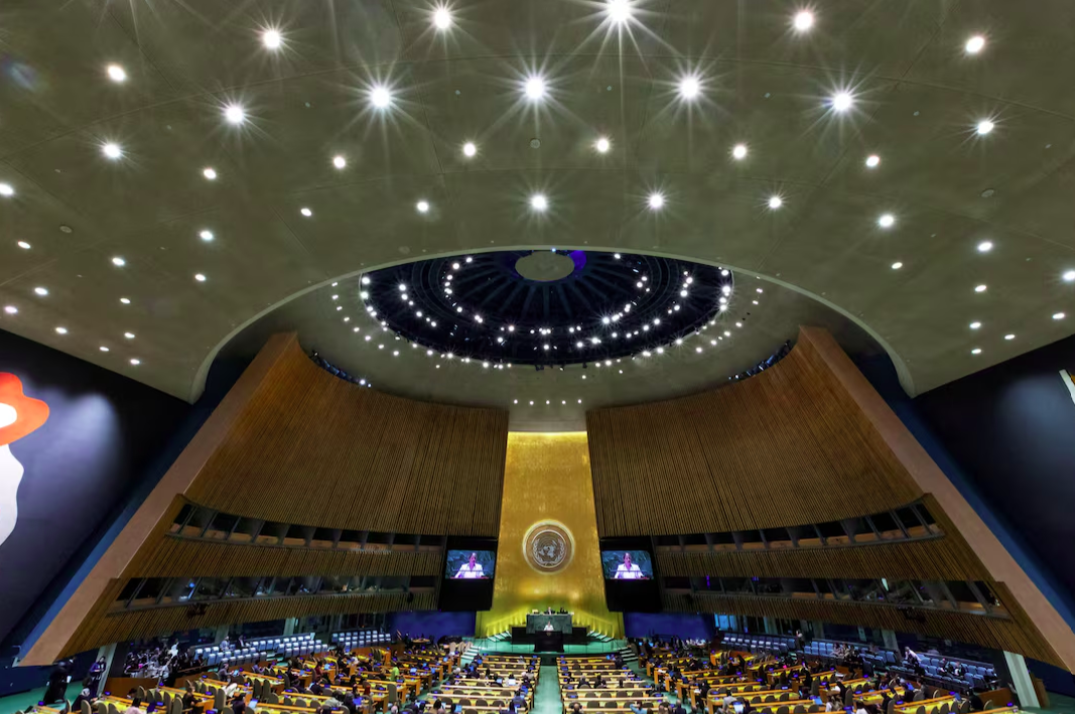
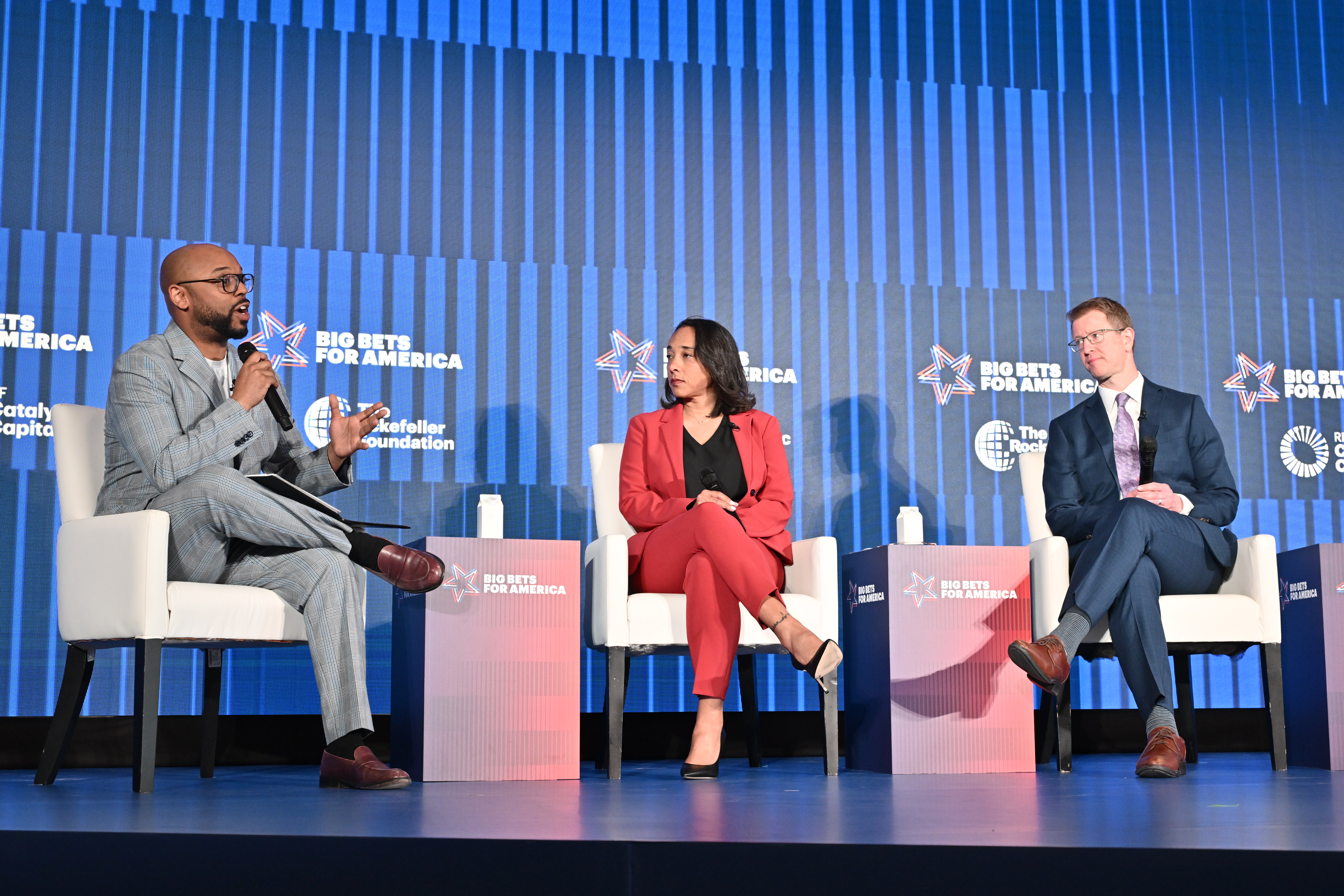
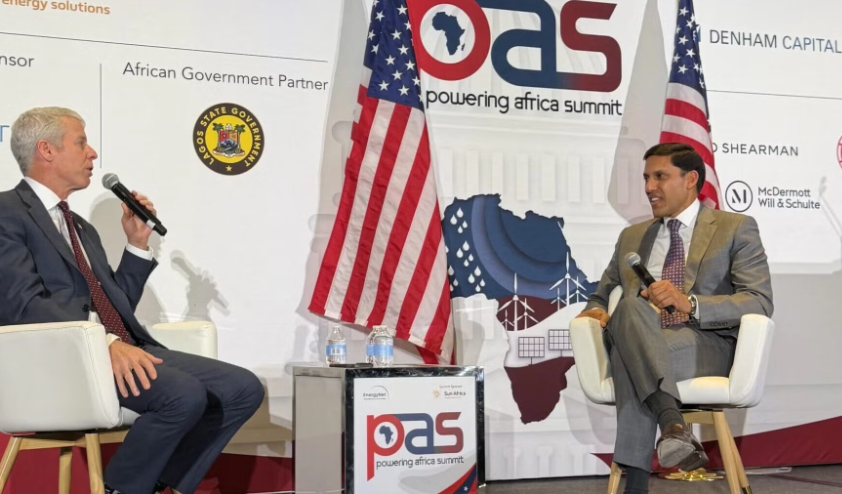
On September 24, during the UN General Assembly, the Rockefeller Foundation will convene leaders from five UN humanitarian organizations — IOM, UNICEF, UNHCR, WFP and OCHA — alongside representatives from governments, philanthropy and the private sector, to find efficiencies and new ways of working in how data is shared and used in support of people in crisis.
Join us for this discussion on the progress of our collaboration to date and help us to build what comes next. The event will take place on 24 September from 8:30-9:30am EDT. Register for the livestream →
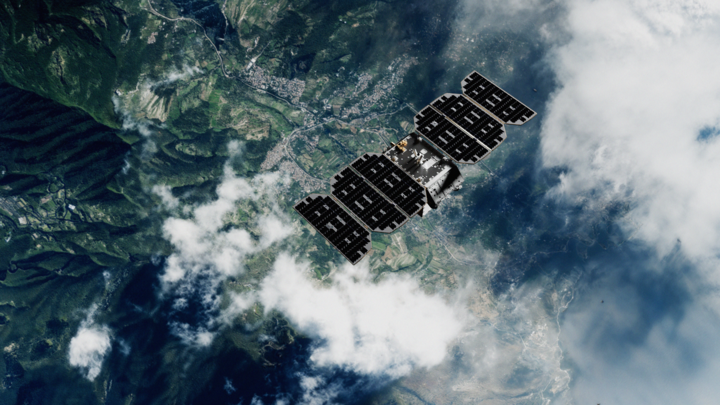
The goal is to ensure that humanitarians have the data they need to reach the most in need. In many of the world’s most complex contexts, more data is being produced than ever before, derived from satellite imagery, price monitors, displacement tracking, early warning systems and more. Those responding must be able to find the signal in the noise, surfacing timely insights to inform critical operational decisions.
As humanitarian needs grow, funding for data is more critical than ever to direct resources to the most critical settings. Data is a core asset that should be managed, with appropriate safeguards, as a public good in service of saving lives. Without sustained investment, data and analysis capabilities risk being weakened or lost. Advances in technology offer an opportunity to strengthen our data ecosystem, but artificial intelligence is only as reliable as the data that it is trained on. Given the stakes, collective financing through pooled funds or managed portfolios should be used to fund the common data services that the sector relies on.
Over the last year, the UN80 initiative has driven collaboration across UN organizations and beyond. The focus has been delivering greater levels of alignment and interoperability around the data collected, managed and used to support people in need of humanitarian assistance. The effort has prioritized interoperability standards, reducing friction and duplication, and putting comparative advantage ahead of institutional footprint.
In parallel, Rockefeller Foundation’s public charity, RF Catalytic Capital launched Reimagining Humanitarian Nutrition Security a year ago. This is catalyzing a broad ecosystem connection and strengthening initiative to boost the use of technology in complex data ecosystems and early warning analysis to improve impact. RFCC is working with the UN agencies and a broad community of other partners to address opportunities and gaps in how data systems support and enable local stakeholders in fragile contexts.
These efforts build on years of working together on data challenges and show the potential of delivering impact at scale. We do not need to start from scratch. There are many examples to learn from and enable replication and scaling.
In Nigeria, recurrent flooding can rapidly destroy food stocks, livelihoods, homes and access to essential services. The challenge was to turn increasingly credible flood forecasts into decisions early enough to protect people, rather than waiting for humanitarian needs to become visible. OCHA worked with Google to integrate their AI-based flood forecast into the trigger, the first anticipatory action framework to use a model of this kind. The framework for Nigeria was endorsed in August 2025 and activated four weeks later, with assistance from IOM, WFP and others reaching 350,000 people within 72 hours of the trigger being activated.
In Afghanistan, where conflict, climate shocks, and economic hardship continue to drive food insecurity, AF-PULSE is helping humanitarian organizations turn early warnings into earlier action. Developed by WFP and powered by data contributed by partners including REACH, IOM, UNICEF, UNHCR, and WHO, AF-PULSE helps humanitarian organizations identify emerging risks sooner and coordinate action before conditions worsen. In the last quarter of 2025 alone, its famine early warning analysis helped guide assistance to more than 2 million people in some of the country’s most food-insecure districts, showing how interagency data collaboration can help reach vulnerable communities before conditions deteriorate further.
These brief examples show what is possible when strong partnerships and coordinated action work in tandem. However, a number of challenges need to be addressed if we are to accelerate progress. Humanitarian and development data systems remain fragmented across organizations, sectors and geographies. Even when the right data exists somewhere in the system, it does not reliably reach the people who need it.
The priorities from the UN80 process include unlocking greater levels of interoperability around the data we collect, manage, and use through the development of a Humanitarian Data Model. We are also establishing common geospatial standards, aligning on a global set of administrative boundaries instead of each maintaining our own versions. We are working on joint agreements with data providers, such as telecom operators, so that we can responsibly use mobile data to understand population movements. And we are working with satellite providers to get access to imagery within hours following a rapid onset crisis so we can direct teams to those who need help.
This is the starting point for our conversation during the UN General Assembly. Closing the gap between data, insight and action means humanitarian organizations, governments, technology partners, and funders agreeing to work differently together.
What to expect from the conversation
This gathering is a conversation between the people and organizations already working to solve this problem. It offers the chance to compare notes, hear directly from those operating in response contexts, and identify where new partnerships, investments, or shared infrastructure are required. Expect candid discussion of where data and AI are changing what is possible in humanitarian response, from earlier warning and improved forecasting to faster analysis and more targeted action, and what risks we need to address through collective action.