

RAAPID (Rapid Agricultural Assessments for Policy Impact and Decision-making)
RSVP: NYC Climate Week event (9/24)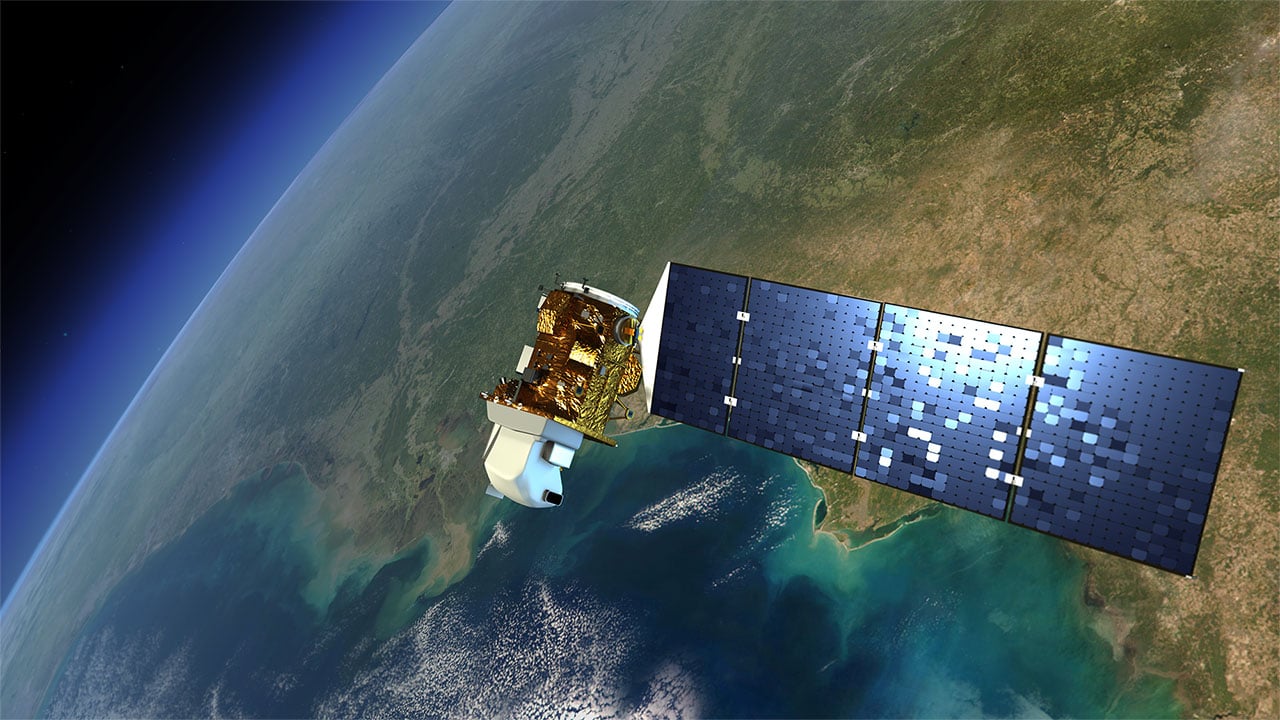
RFCC hosts RAAPID and provides development, communications, operational and legal support throughout its incubation and planned spin-off phase.
Using remote sensing imagery and analyses to fill critical information gaps related to the primary drivers of food shocks: extreme weather, conflict and war, and supply chain disruptions and transparency.
Near-real-time and actionable agricultural insights to inform decision making across governments, humanitarian agencies, and other public and private sector organizations when disaster hits.
When conflict and extreme weather shocks disrupt markets and drive food insecurity, RAAPID leverages advanced technologies such as satellite data and responsible AI applications to help capture agricultural changes that have outsized impacts on communities, world trade and regional stability.
RAAPID’s global network enables it to convene stakeholders across the spectrum while integrating local expertise, supporting more seamless, scientifically grounded decision-making. As a result, stakeholders have access to timely, actionable data allowing them to protect access to nutritious food, realign policy and market incentives in times of crisis, and support resilient food systems that can withstand future shocks.
Under NASA Harvest, RAAPID has already delivered critical assessments across the globe spanning conflict (Ukraine, Sudan, Democratic Republic of Congo, Ethiopia-Tigray), climate shocks (Pakistan, Malawi), and market uncertainty (Russia, China). These assessments have helped close critical information gaps, inform policy decisions, and support targeted interventions where timely, reliable data was not otherwise available. Future efforts will be supported by RF Catalytic Capital to expand and scale its global impact.
RAAPID, an initiative initially developed under NASA Harvest, is now being incubated by RFCC. RAAPID has previously received funding and in-kind support under the NASA Harvest Consortium from various partners, including: NASA, Google.org, Microsoft AI for Good Lab, the Famine Early Warning Systems Network, the United States Geological Survey, and the Arrell Family Foundation.
Past Project Case Studies (under NASA Harvest)
Ukraine
RAAPID provided remote-sensing derived insights to the Ukrainian government to inform major decisions in agrarian policy that ultimately helped avoid an export ban — stabilizing wheat prices and global markets. Using satellite-based crop monitoring and yield estimates, the team was able to rapidly assess the impact of the war on planted area and production, helping policymakers understand that sufficient harvests were still likely. This evidence-based assessment supported more informed decisions at a critical moment for both Ukraine’s economy and global food security.

Case Study
Togo
When government officials in Togo were unable to accurately target farmer aid through traditional ground-based surveys during COVID-19, RAAPID mapping and analysis allowed the government to quickly and confidently distribute aid to ~60,000 smallholder farmers via digital loans, signaling a huge shift in social protection responsiveness. By combining satellite-derived crop maps with mobile money infrastructure, RAAPID helped identify active agricultural areas and eligible farmers at a nationwide scale—transparently filling a critical data gap in under 10 days when in-person data collection was not possible. This approach demonstrated how Earth observation data can strengthen farmer protections and improve governments’ ability to respond rapidly during crises.

